
Introducing
The Insolia Integrated Motion System™ (IMS)
Performance & Safety on the Field
Reducing Costly and Preventable
Non-Contact ACL Injury Risk
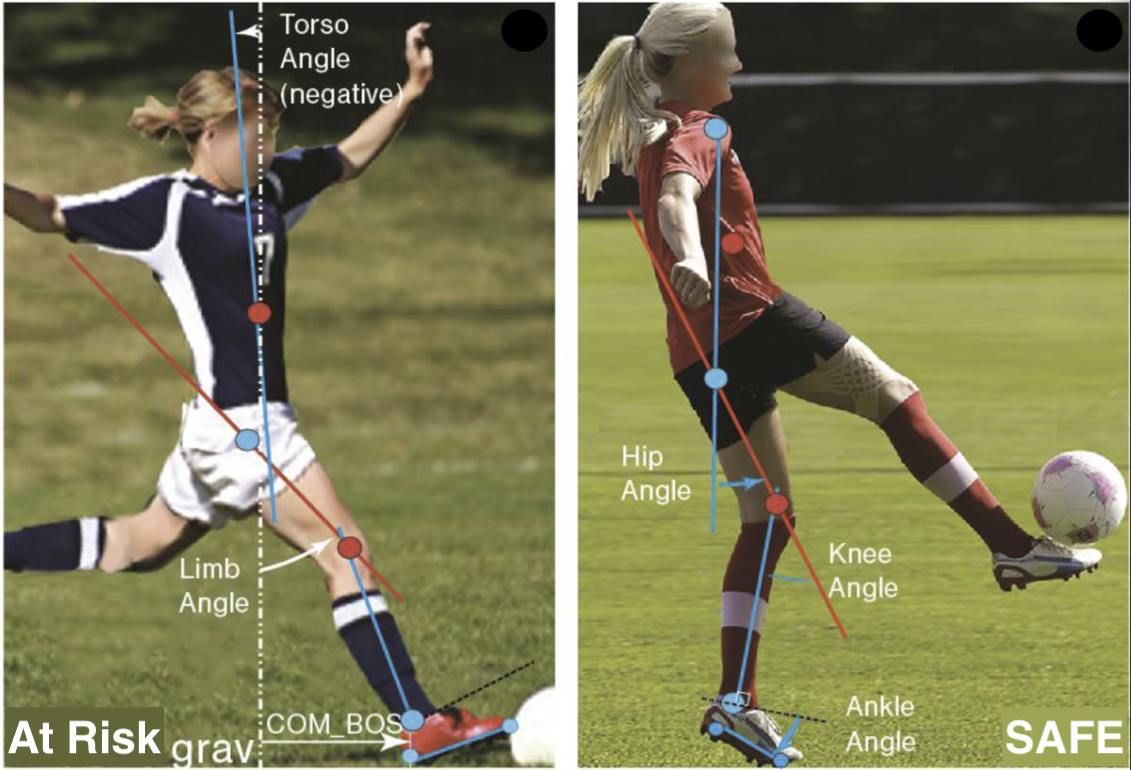
ACL Injuries Occur When Athletes Are Improperly Positioned During Deceleration or Landing
Research indicates that 70% of ACL injuries occur without direct contact, typically during sudden deceleration or a single-leg landing. Athletes are most vulnerable when their weight shifts to the back of the foot.
Mechanism of Non-Contact ACL Injury
Barry P. Boden, MD, Frances T. Sheehan, PhD
Research identifies forward weight distribution as the safe position
The at-risk position occurs when weight shifts to the back of the foot
Insolia IMS elements work together to enhance forward weight shift
The Insolia IMS Boot and Insole System
Six Innovations with Patents Issued & Allowed
Boot Innovations
1) Insolia Radial Stud Array™ (RSA)
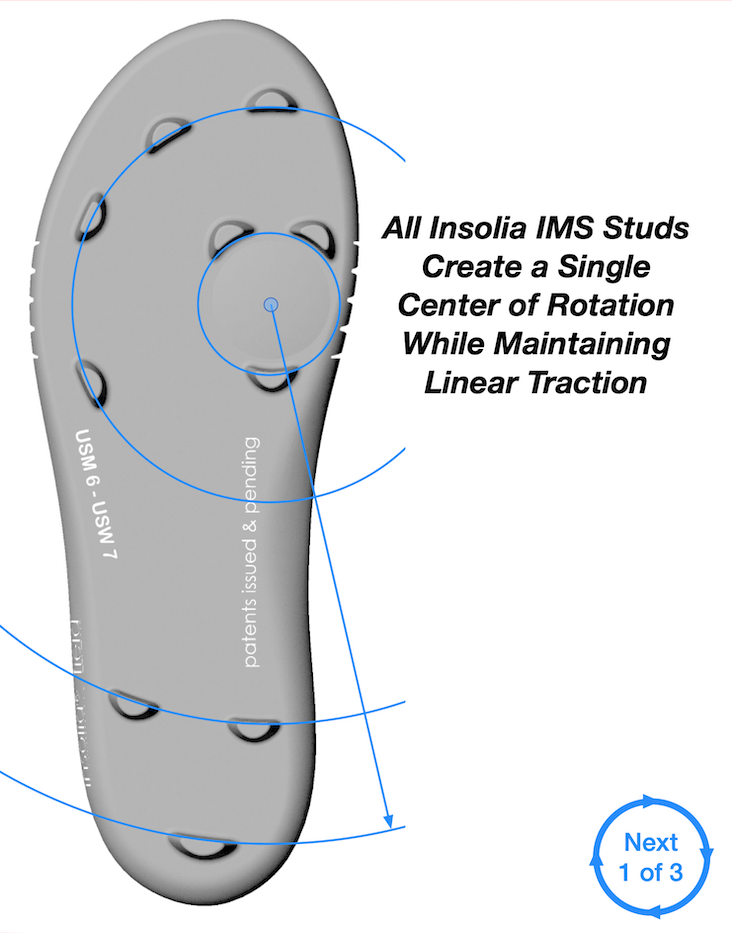
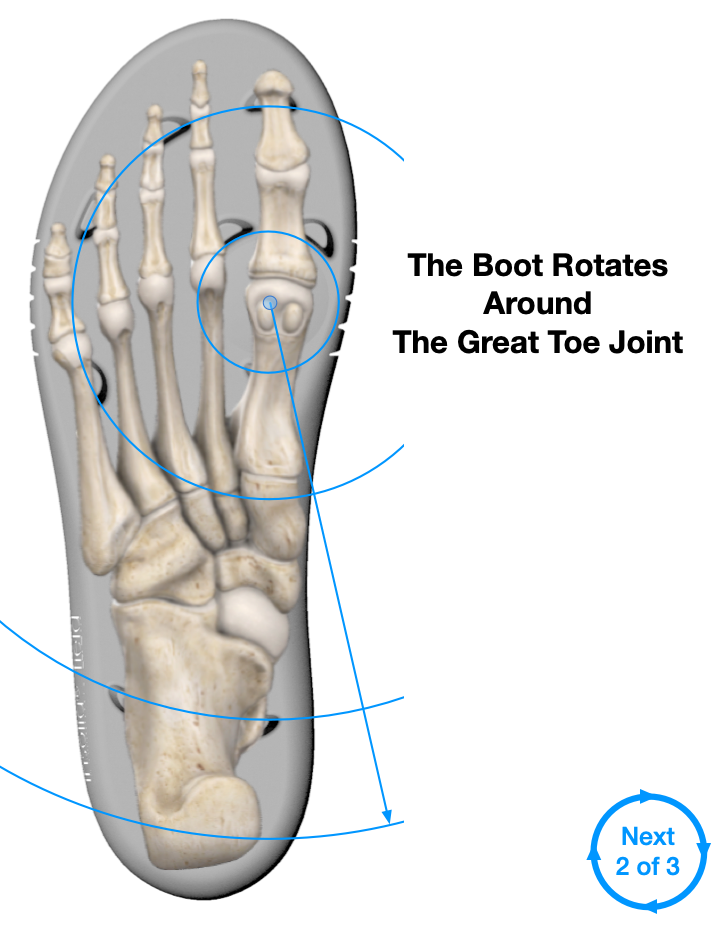
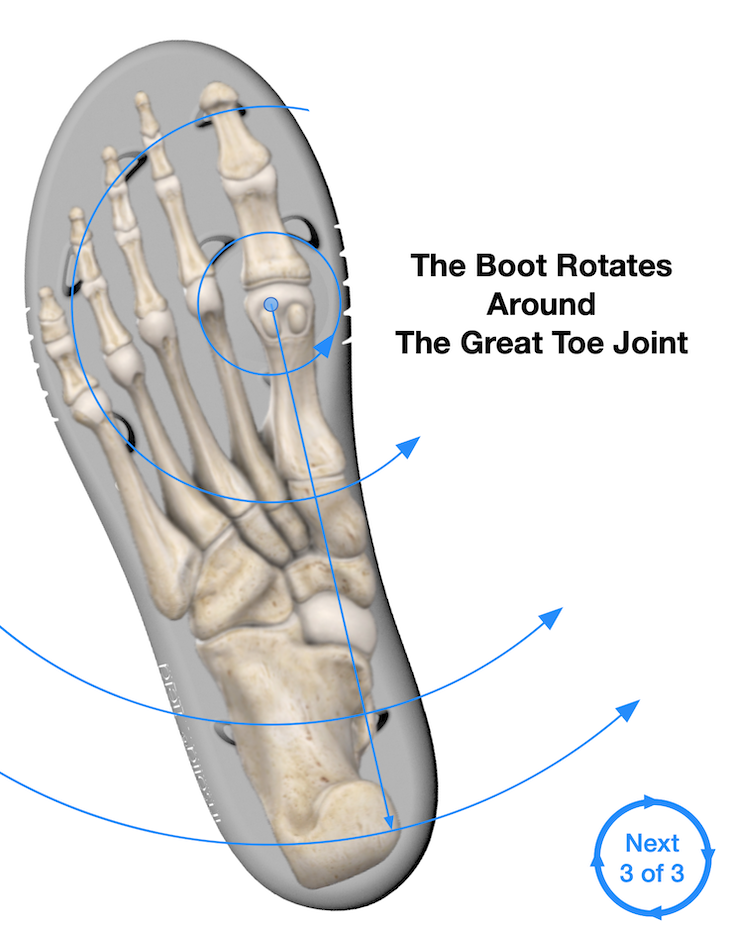
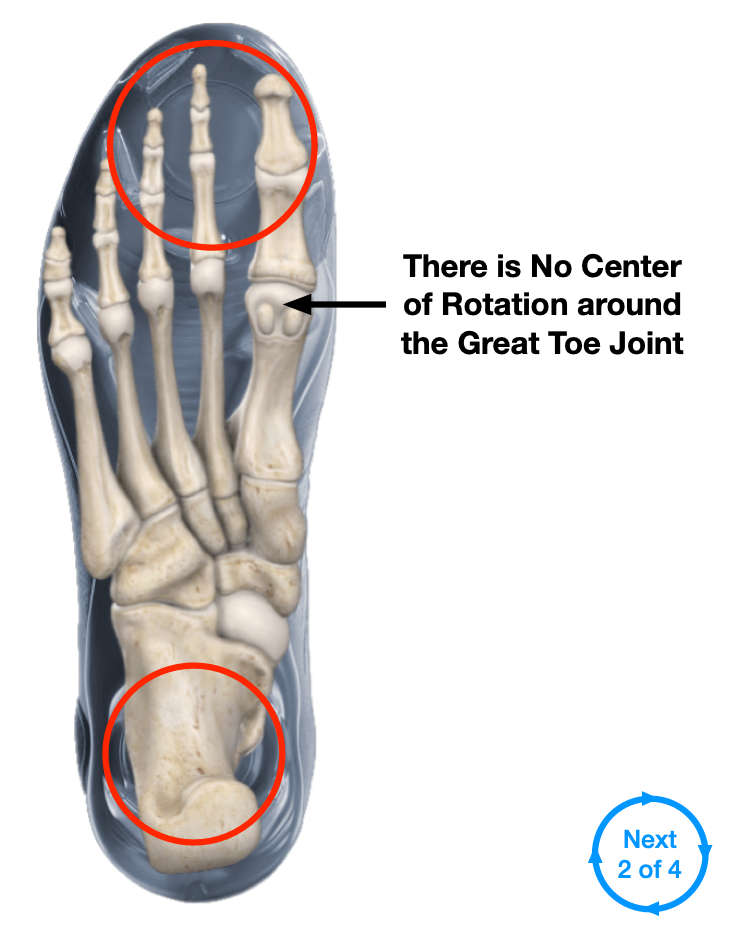
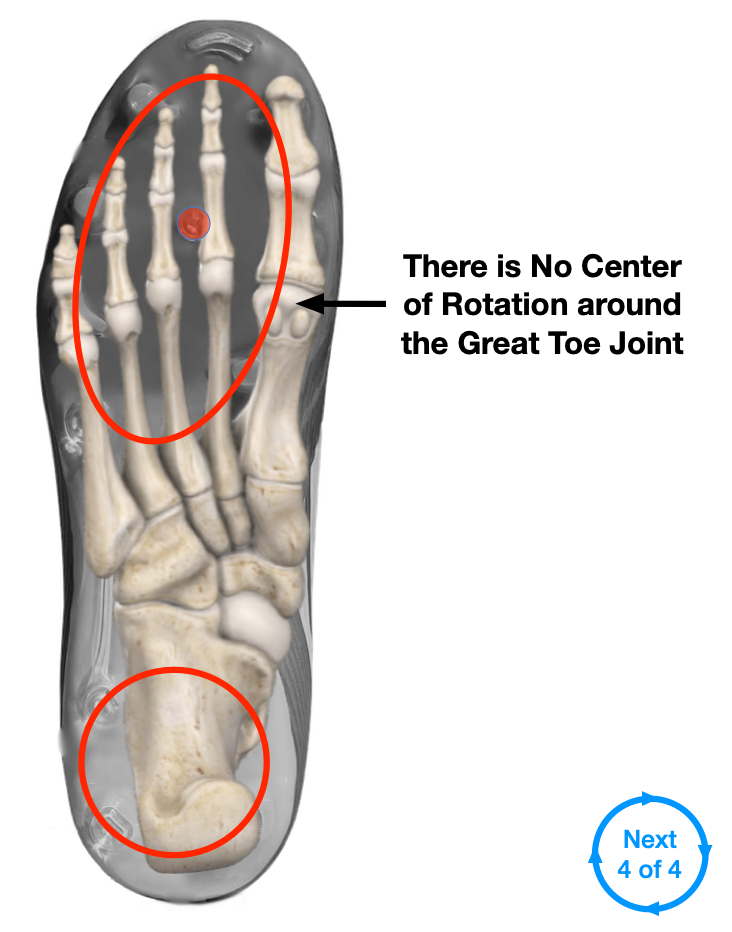
Single Center of Rotation Aligned with Great Toe Joint
Insolia IMS Arranges Studs
Around the Great Toe Joint
Creating a Single Center of Rotation
The Insolia RSA stud pattern aligns with the foot's natural pivot point during high-force cutting maneuvers. Each stud's curvature matches its radial position from this center.
Benefits:
20% less rotational torque than standard designs
Maintained linear traction
Reduced knee stress
Enhanced heel lift and forward weight shift
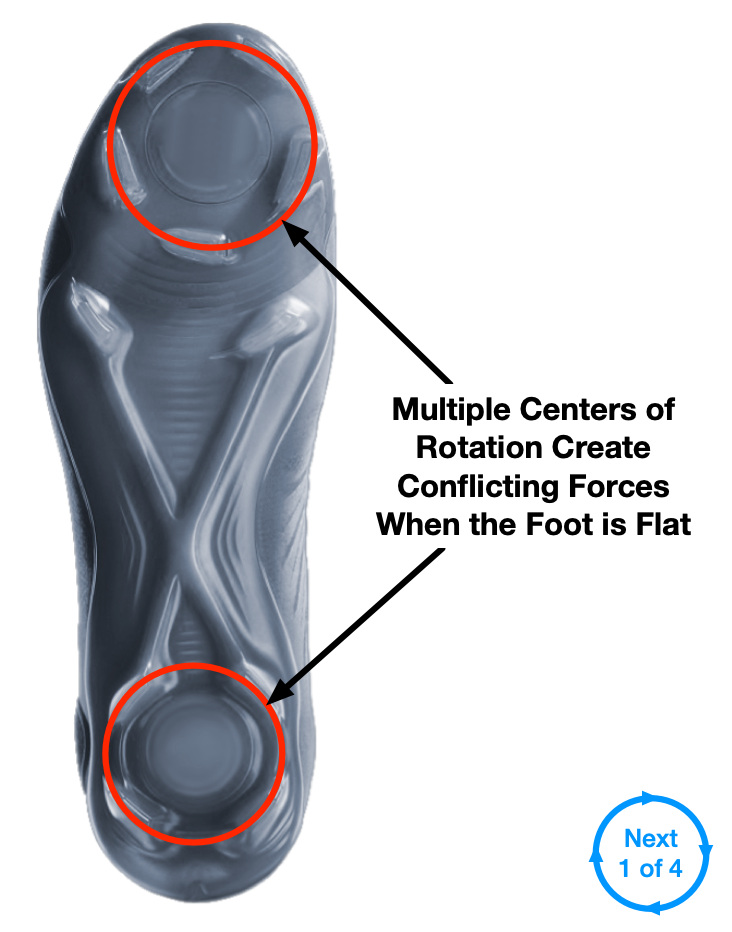
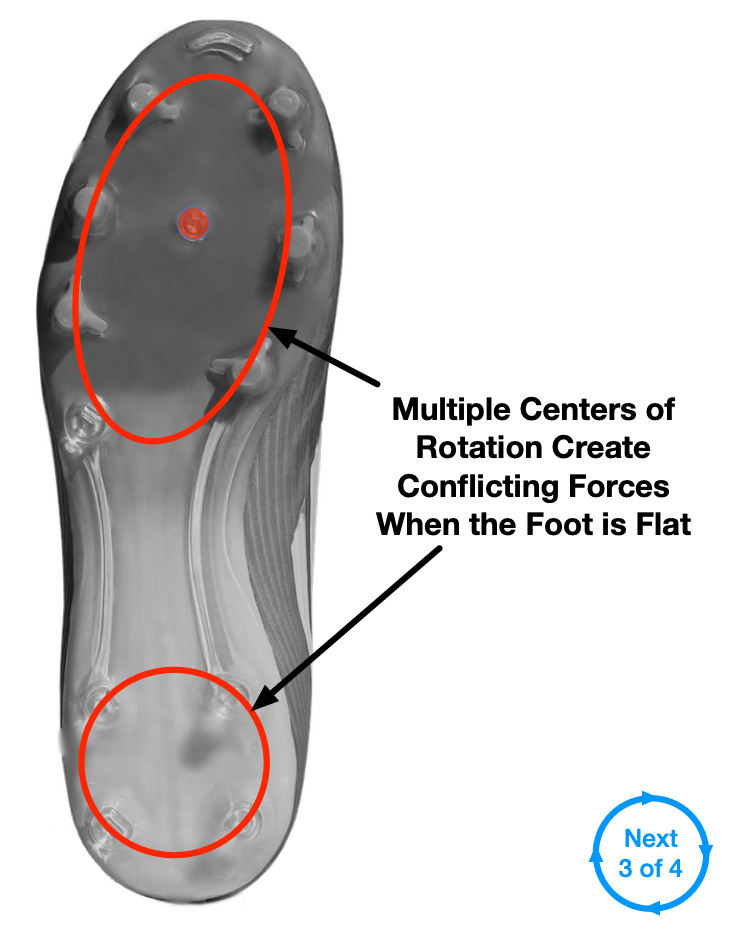
Standard Soccer/Football Boots Lack a Single Center of Rotation
Multiple rotation centers prevent proper pivoting during play.
Most boots claiming injury risk reduction only function when on toes or heels alone.
They fail during high-force maneuvers when the entire foot contacts the ground - precisely when protection is most needed.
2) Insolia Free Motion Zone™ (FMZ)
No Motion Restricting Studs Under the Great Toe Joint
Insolia IMS Places Studs
Around the Great Toe Joint, Not Under It
The Insolia FMZ stud arrangement removes studs from under the Great Toe Joint, which allows for proper Great Toe Joint motion.
The First Metatarsal, not the toe itself, creates this movement
Proper foot motion requires the First Metatarsal Head to move downward and rotate inward
Studs under the Great Toe Joint block this motion, increasing the risk of injury.
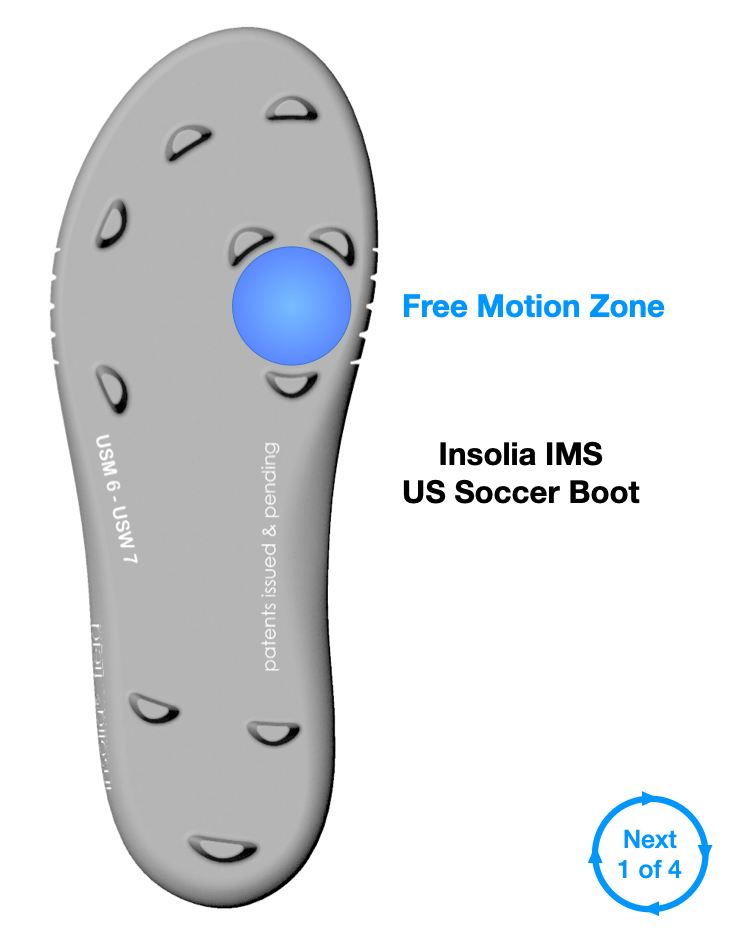
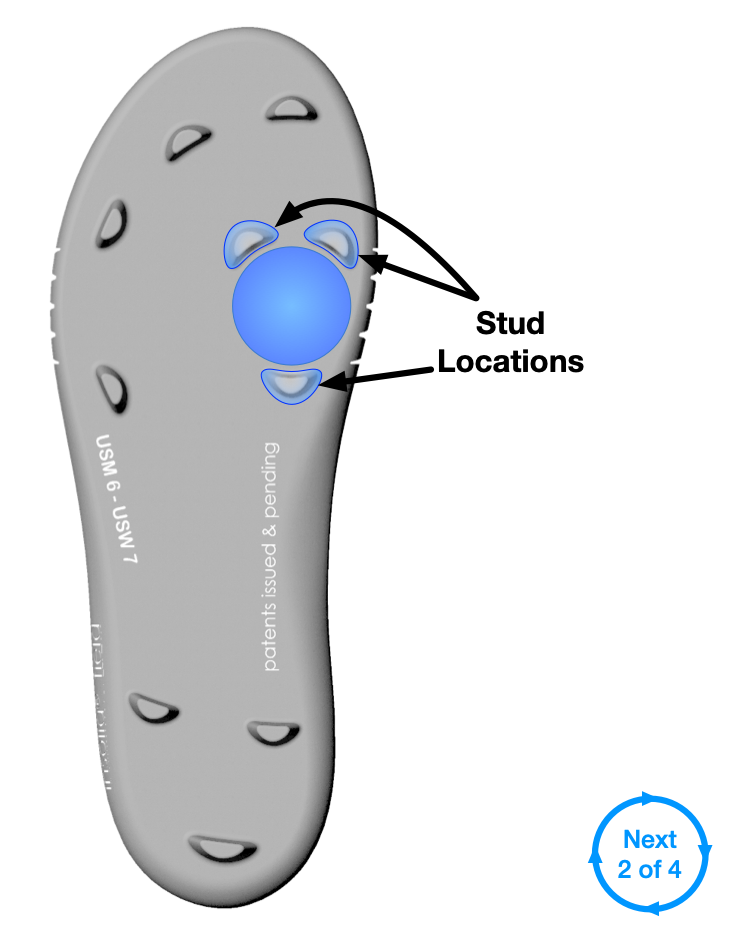
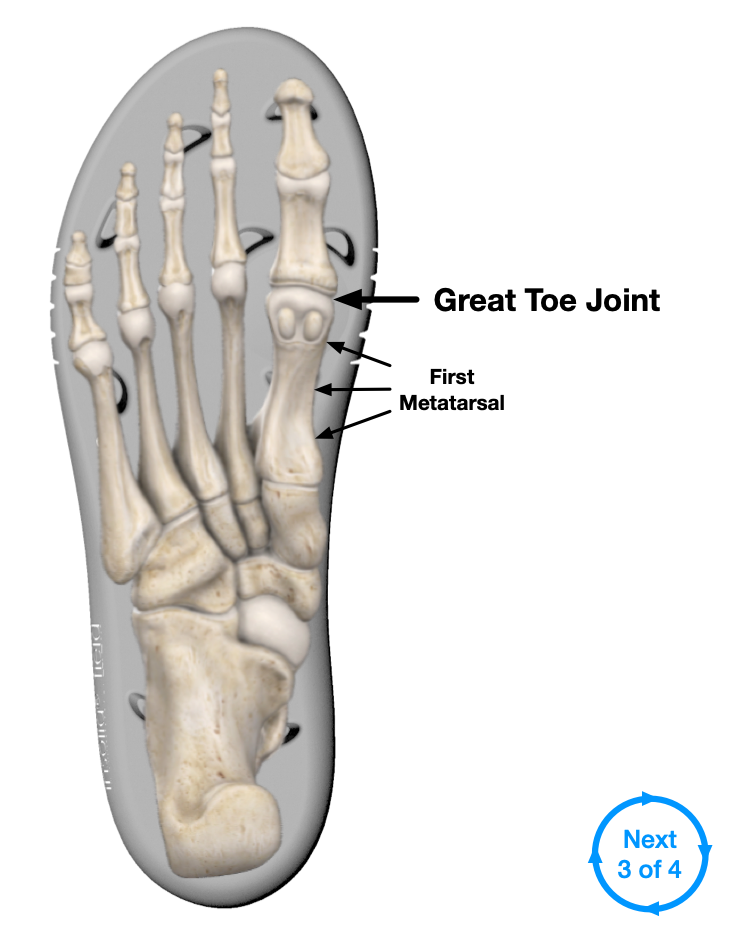
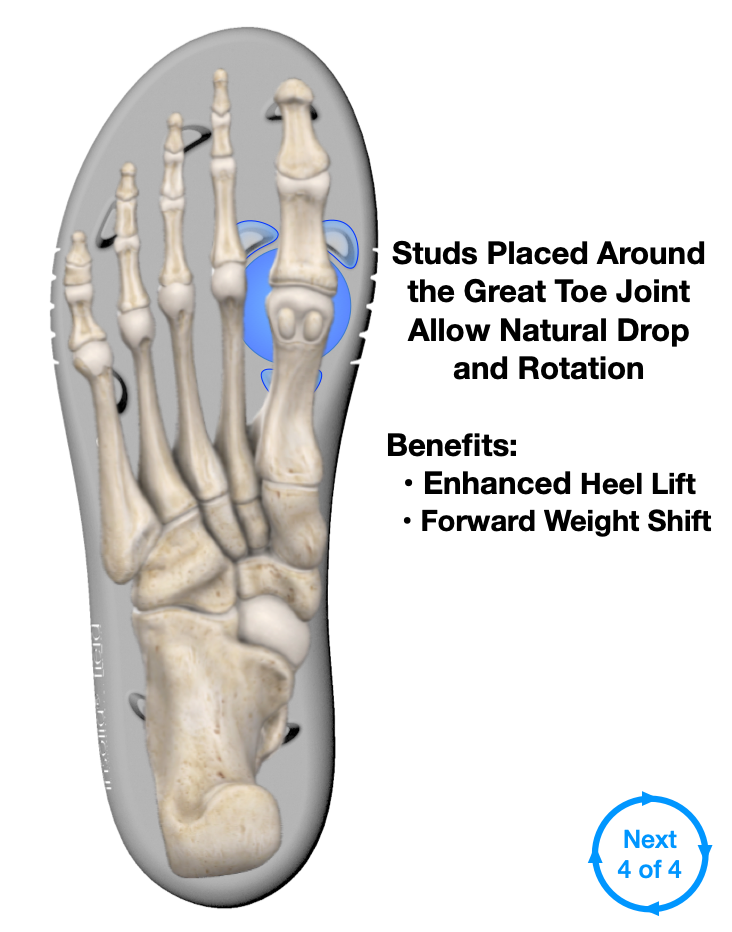
Critical Difference: Stud Placement Relative to the Great Toe Joint
Standard cleats place studs under the Great Toe Joint, restricting flexibility. This restriction disrupts coordination throughout the foot, preventing safe deceleration mechanics.
The blocked joint inhibits ankle flexion, delaying heel lift and forward weight shift when needed most.
Insolia IMS places three studs around the Great Toe Joint to preserve natural motion.


3) Insolia Zone Of Flexibility™ (ZOF)
Adaptive Hinge Bends Around the Great Toe Joint
The Insolia Zone of Flexibility is Molded into the
Top of the Outsole
The 3-4 cm length of the Insolia ZOF allows the Outsole to bend at the wearer’s Great Toe Joint, accommodating natural variations around the population average for each boot size.
Maintains a smooth bottom surface for minimal rotational resistance
Interior geometry inhibits excessive foot bending
Includes a concave dome under the Great Toe Joint
(see Innovation 4)
The Insolia Zone of Flexibility Surrounds the Great Toe Joint
Connects the rigid forefoot to the rigid midfoot and heel sections
3-4 cm length adapts to individual foot shape
Enables natural bending for heel lift and forward weight shift during deceleration.
Flexing the Insolia Field Outsole
4) Insolia Pressure Relief Dome™ (PRD)
The Air Gap Protects Great Toe Joint from Upward Pressure
A concave dome creates an Air Gap under the Great Toe Joint, preventing upward pressure from reaching it during aggressive cutting motions.
The Air Gap decouples the forces acting at the point of peak load on the outsole from the underside of the Great Toe Joint.
This decoupling prevents those forces from locking up the Great Toe Joint, thus enabling proper foot motion.
The matching Dome on the outsole's bottom maintains the structural strength of the outsole at this critical load point, while allowing room for the Air Gap on the top surface.
The Dome is subtle, yet critical.

Insole Innovations

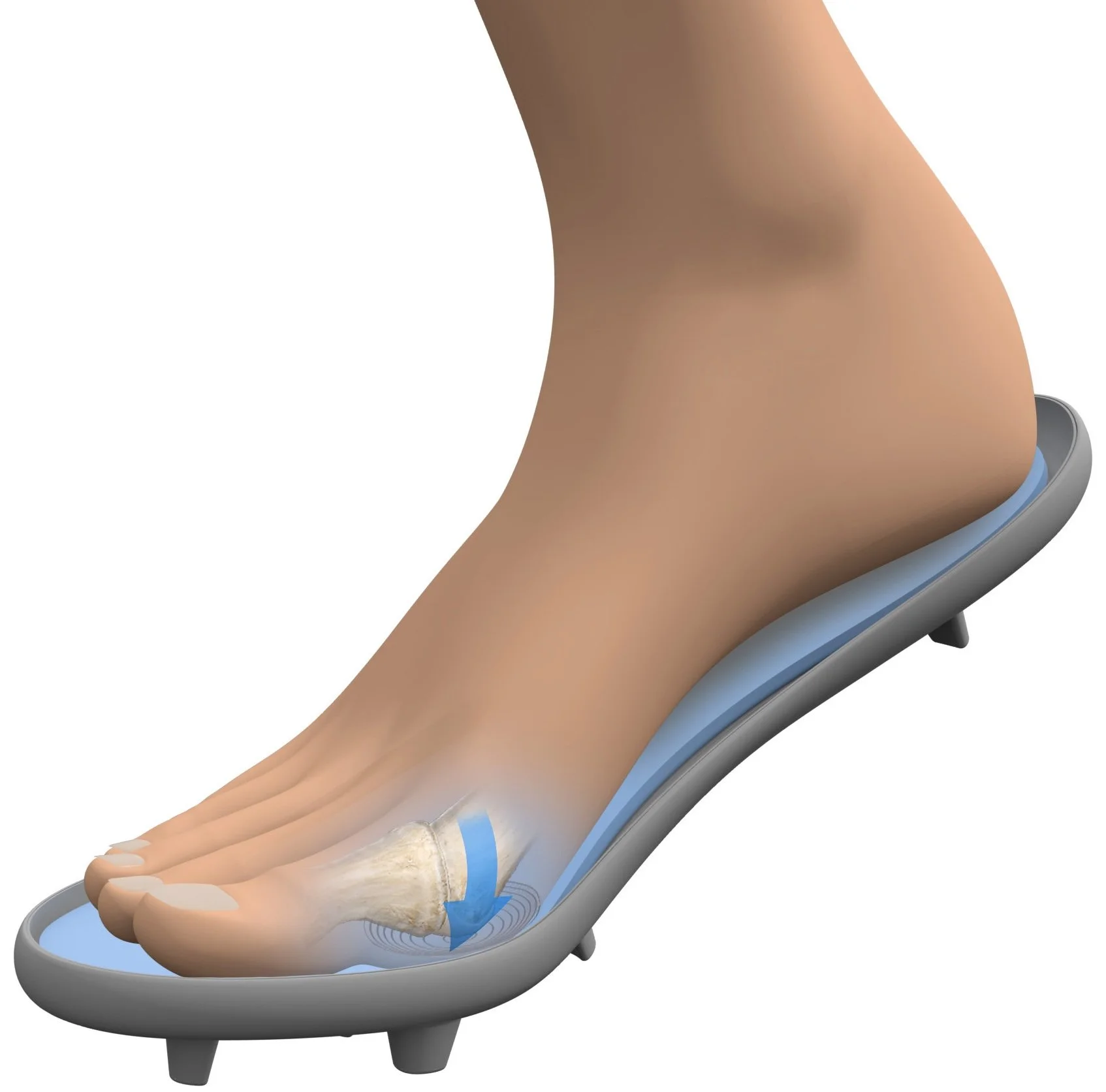
5) Insolia Flex® Technology in the Insole
HBN’s patented Insolia Flex technology
The Asymmetric Depression Under the Great Toe Joint:
Allows natural joint drop and rotation
Encourages ankle flexion
Enables protective forward weight shift
Benefits:
10% improved walking efficiency (reduced VO2/kg)
40% increased forefoot walking comfort scores
6) Insolia Cradle® Technology in the Insole
Patented Insolia Cradle features:
Anatomically-Matched Heel Cup
Contours to the heel bone's natural shape
Improves balance and stability
Medial Side Support
Reduces plantar fascia strain
Increases comfort during standing and movement

Insolia Sports Technology
Beyond ACL Protection
Our Technology Addresses Four Major Sports Injury Risks:
ACL Tears – through forward weight positioning
Achilles Injury – by enabling natural heel lift
Lateral Ankle Sprains – by controlling foot inversion
Turf Toe – by preventing joint jamming
Each injury stems from restricted Great Toe Joint rotation
When this joint cannot move naturally, the body compensates with motions that increase the risk of injury.
The Core Principle:
Optimizing the Great Toe Joint Function Reduces Injury Potential across All Sports
Next Application:
We are adapting elements of the Insolia Integrated Motion System for all court sports, including basketball, tennis, and pickleball, through specialized insole and outsole designs.
Integrating the Insolia insole innovations into a court shoe that incorporates the Insolia Zone of Flexibility will deliver the same protective forward weight shift demonstrated in our soccer cleat research.
Insolia IMS
Built on Decades of Innovation
HBN Shoe was founded to solve Footwear’s Most Challenging Comfort Problem
High Heeled Shoes
Over 60 million pairs of footwear with Insolia Technologies have been sold globally, delivering measurable improvements in comfort, walking efficiency, and body health.
Learn more about our Fashion & Comfort innovations.